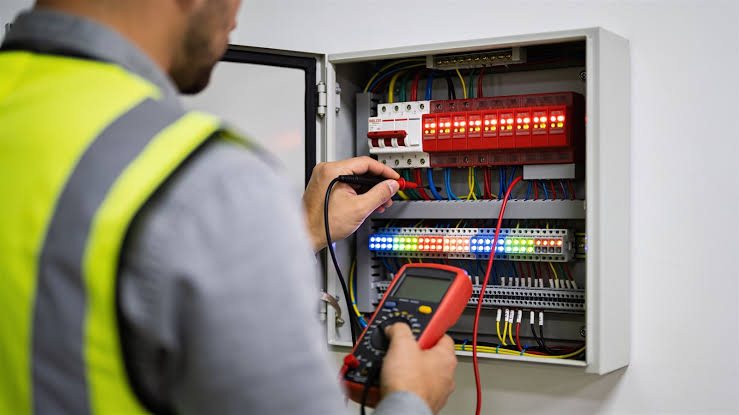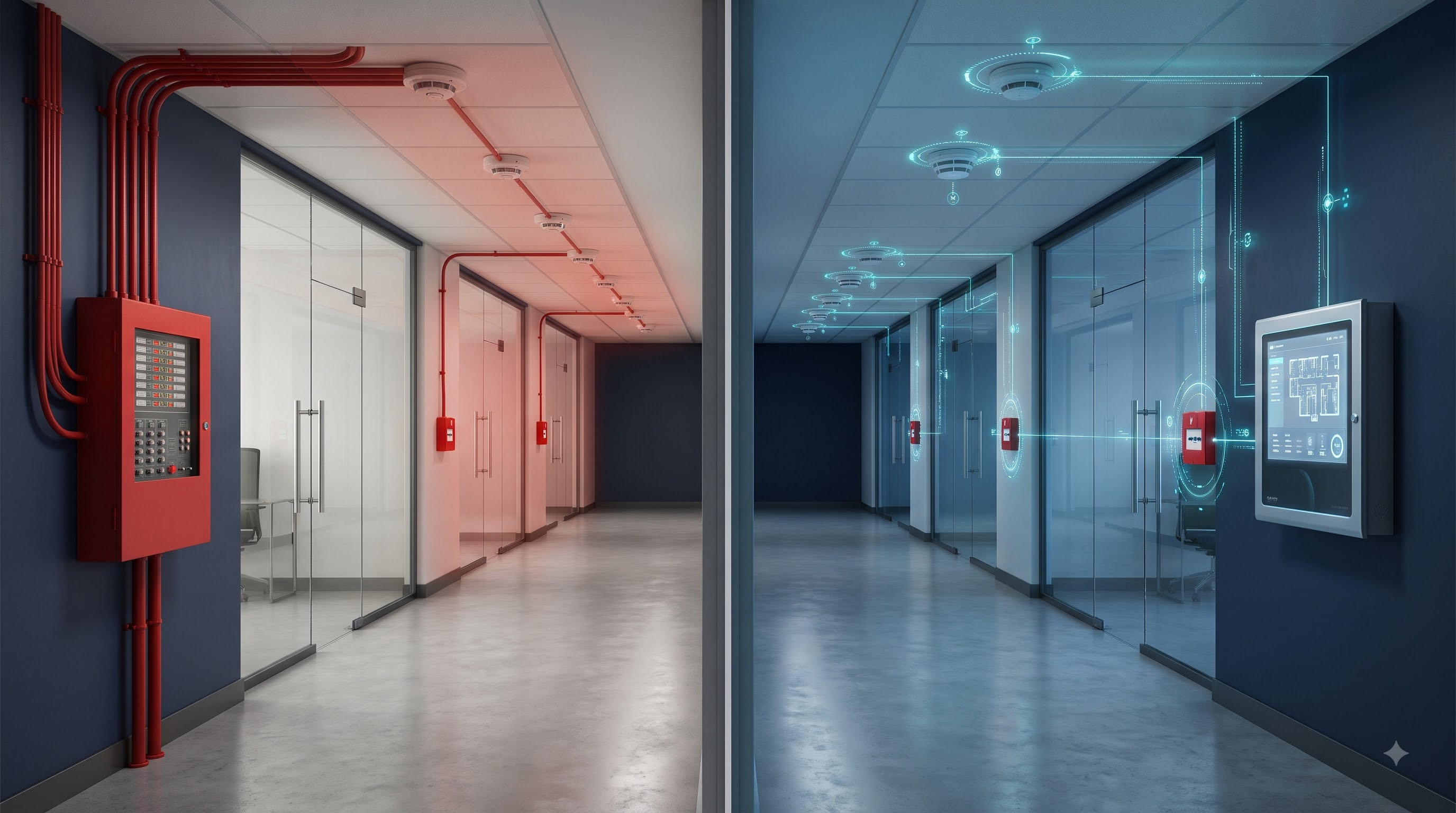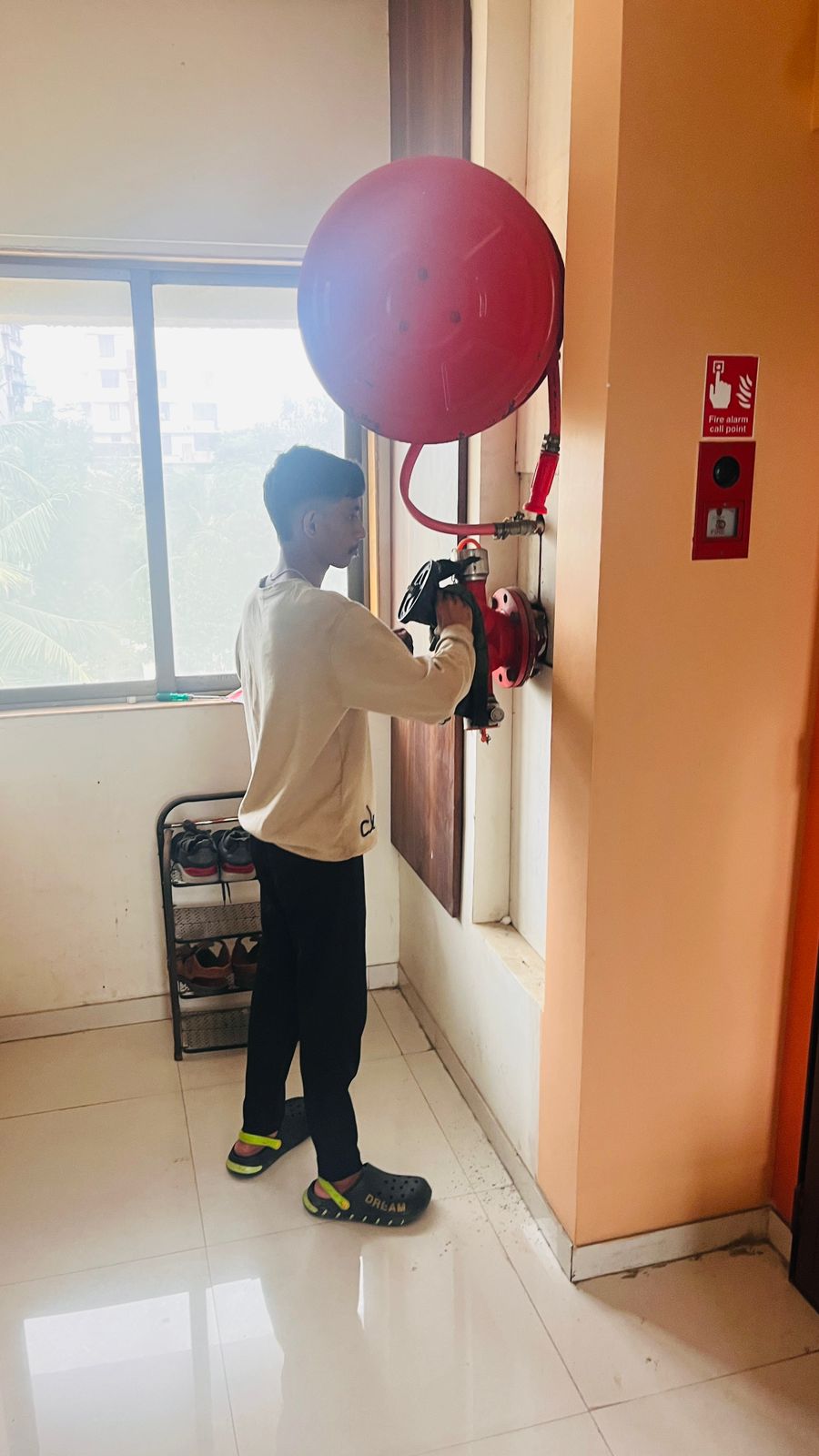

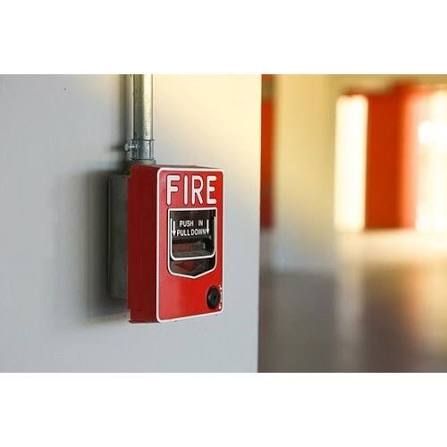
A fire alarm system includes more than the control panel. Detectors, manual call points, sounders, wiring, power supplies and communication devices all need to work together. A maintenance visit should review the installed system and leave a clear record of what was checked.
1. Check the fire alarm control panel
Review the panel’s normal status, displayed faults, disabled or isolated zones/devices, event history, power supply and battery condition. Any fault that remains open should be recorded with its cause if known, the affected area and the planned corrective action.
2. Check detectors and manual call points
Inspect the detectors and manual call points fitted in the building. Check for physical damage, paint, dust, obstruction, loose fittings or other conditions that could affect operation. The test method should suit the detector type and manufacturer’s instructions; do not apply smoke or heat casually to a live system.
3. Check alarms and notification devices
Confirm the installed sounders, bells, strobes or voice-warning equipment are accessible and can be tested using the building’s approved procedure. Where the system connects to other equipment or a monitoring service, confirm that the interfaces and communication path are covered by the maintenance scope.
4. Review wiring, circuits and power supply
Look for visible damage, loose connections, water ingress or changes to the building that may have affected cable routes and devices. Review mains supply and standby batteries. Any electrical work or circuit isolation should be handled by a competent technician under the site’s approved process.
5. Keep a fault and repair register
For every fault, note the date, panel message, zone or device, temporary action, technician’s finding, repair and retest result. Do not switch off the system simply to hide a trouble indication. If there are signs of an actual fire, follow the emergency plan immediately.
6. Ask for a useful service report
A good report should identify the site and panel, list the devices and circuits checked, record faults and tests, specify work completed and parts replaced, and show any unresolved issue. The next maintenance action should be clear rather than left as a vague “system checked” note.
How often should fire alarm maintenance take place?
There is no single interval that applies to every panel and every building. The maintenance plan should follow the applicable standard, approved fire strategy, system manufacturer’s instructions, site conditions and directions from the competent authority. The AMC should state what is included and how call-outs and corrective work are handled.
Questions to ask before signing an AMC
- Which panel, detectors, call points and notification devices are included?
- How many planned visits and functional tests are covered?
- Are fault call-outs, replacement parts and after-hours visits included or billed separately?
- Will the provider maintain a fault register and share a report after each visit?
- Who is responsible for coordinating any alarm isolation and restoring the system after testing?
Need fire alarm maintenance or fault repair?
Samarth Fire provides fire alarm installation, maintenance, troubleshooting and AMC support. Share the panel type, building details and current issue to discuss the right scope.
This article is general information. It is not legal advice, an emergency-response instruction, a substitute for approved site drawings or a fire-safety certificate. Requirements depend on the building, its occupancy and the current rules of the competent authority — always confirm with the Directorate of Maharashtra Fire & Emergency Services or a licensed agency.