
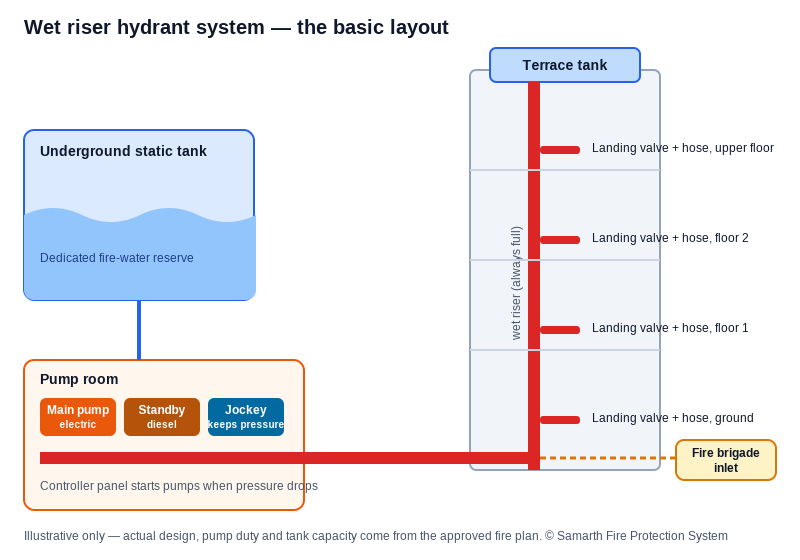
A wet riser system keeps a vertical pipe permanently filled with pressurised water so that firefighters — or trained residents, where permitted — can connect a hose on any floor without waiting for water to travel up from the ground. Here is how the pieces fit together, from the tank to the hose.
1. The underground static tank
A dedicated fire-water reserve, sized to the building's design requirement, is kept separate from domestic water. This is the supply the pumps draw from during a fire, independent of the municipal connection.
2. The pump room: main, standby and jockey
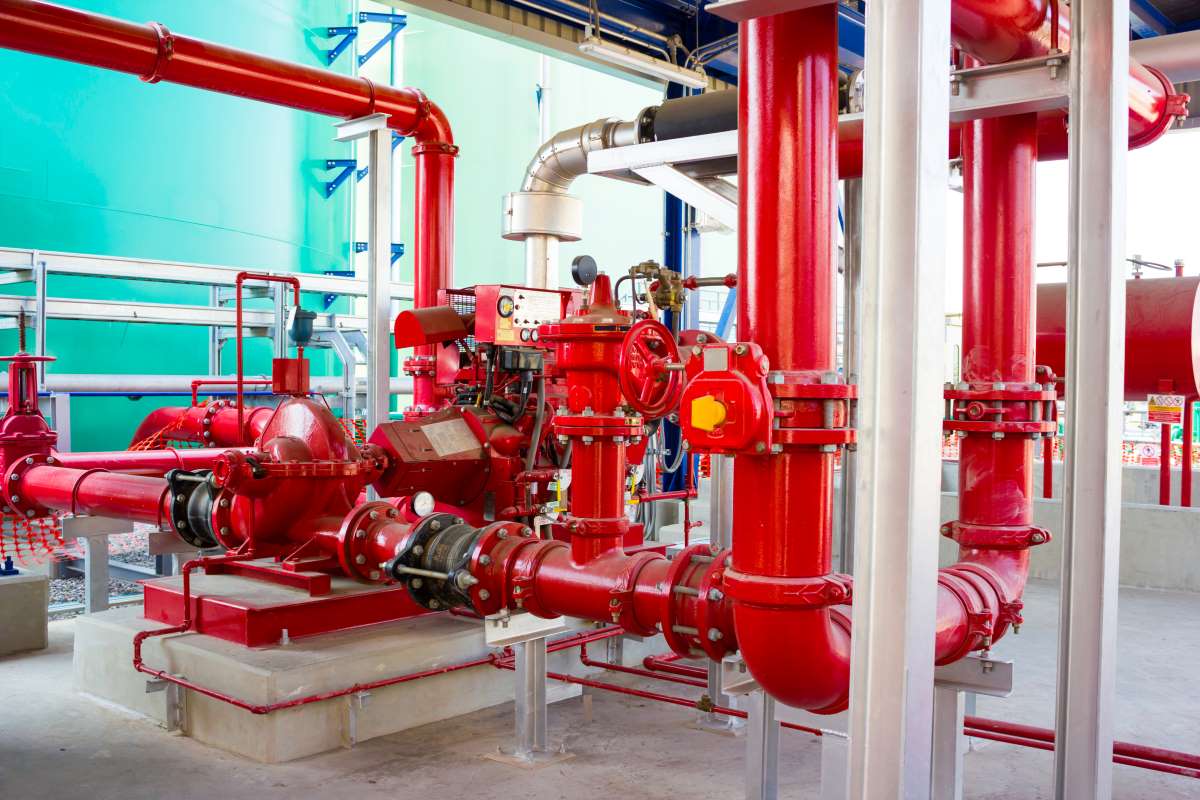
Three pumps work together. The main pump (usually electric) provides the primary flow and pressure. A standby pump (often diesel) takes over automatically if the electric supply fails — exactly when a fire is most likely to have also tripped the power. A small jockey pump runs continuously in the background, topping up minor pressure loss so the main pumps don't cycle on and off unnecessarily.
3. The riser pipe — always full, always pressurised
Unlike a dry riser (filled only when the fire brigade pumps into it), a wet riser stays permanently charged with water under pressure. That means a hose can be connected and used within seconds on any floor, without waiting for the pumps to fill an empty pipe first.
4. Landing valves and hose cabinets on every floor
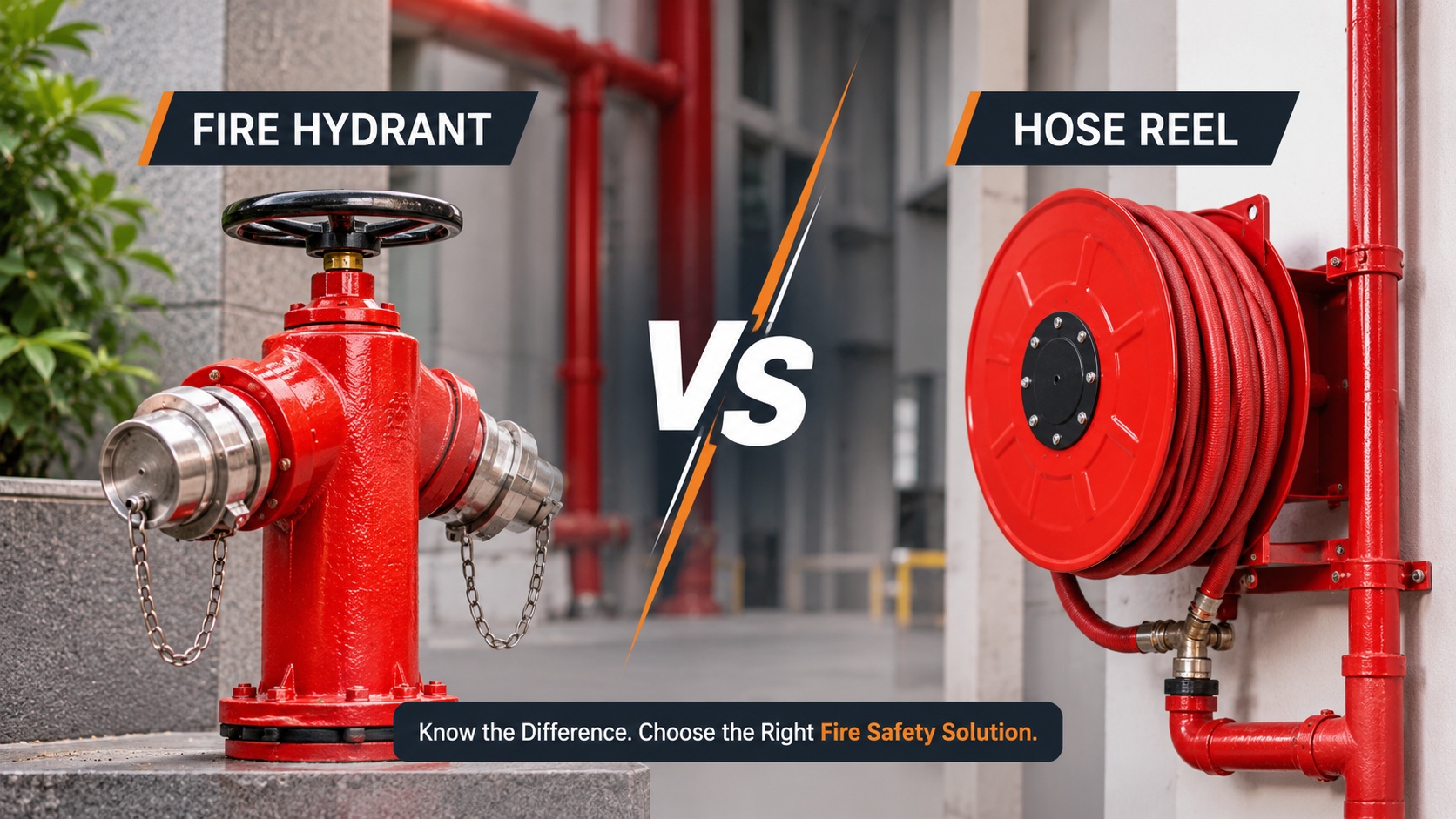
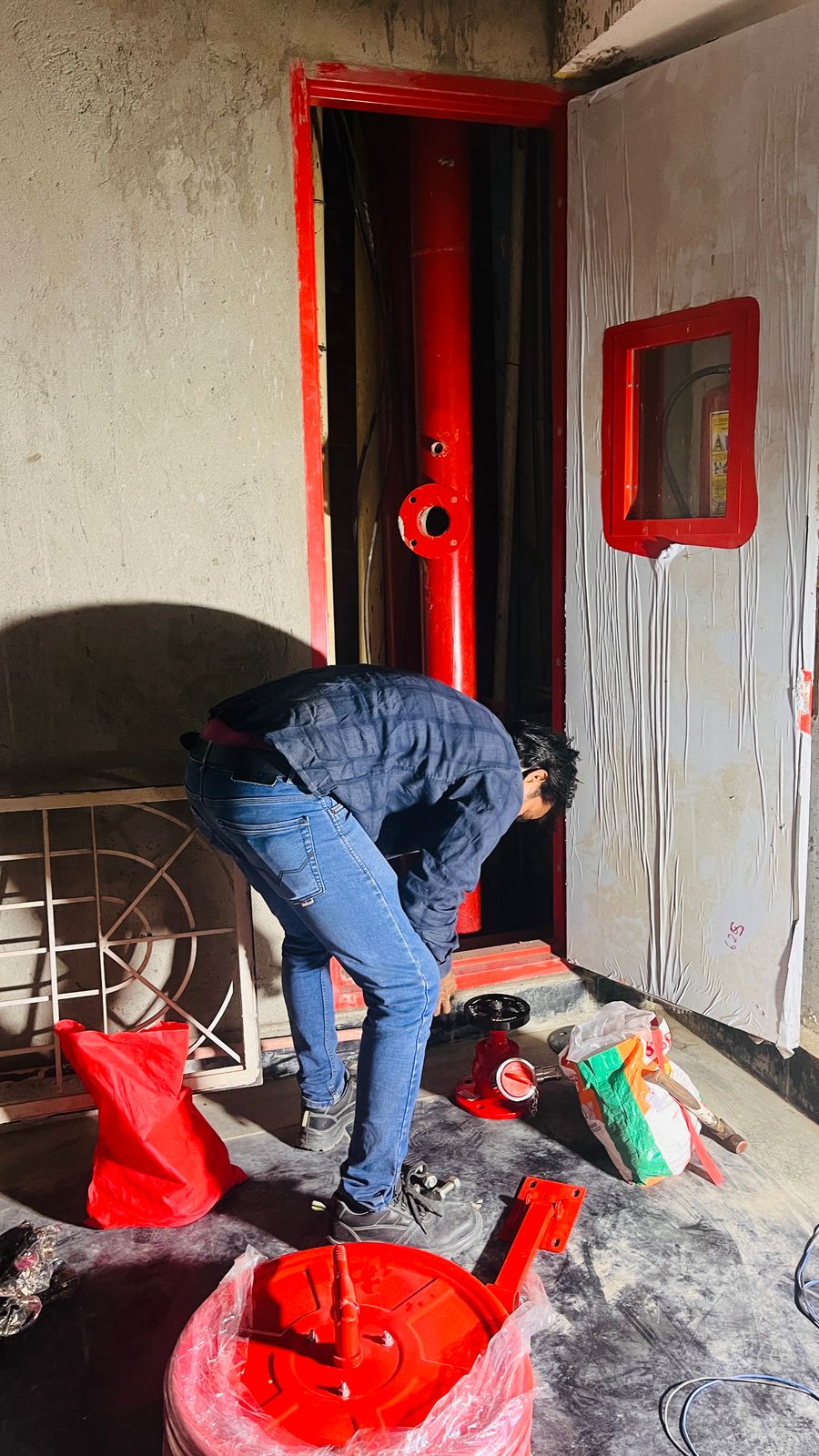
At each floor, a landing valve taps into the riser, feeding a hose reel or hose cabinet. These must stay accessible and visibly signed — a cabinet blocked by storage or furniture defeats the entire system.
5. The fire brigade inlet
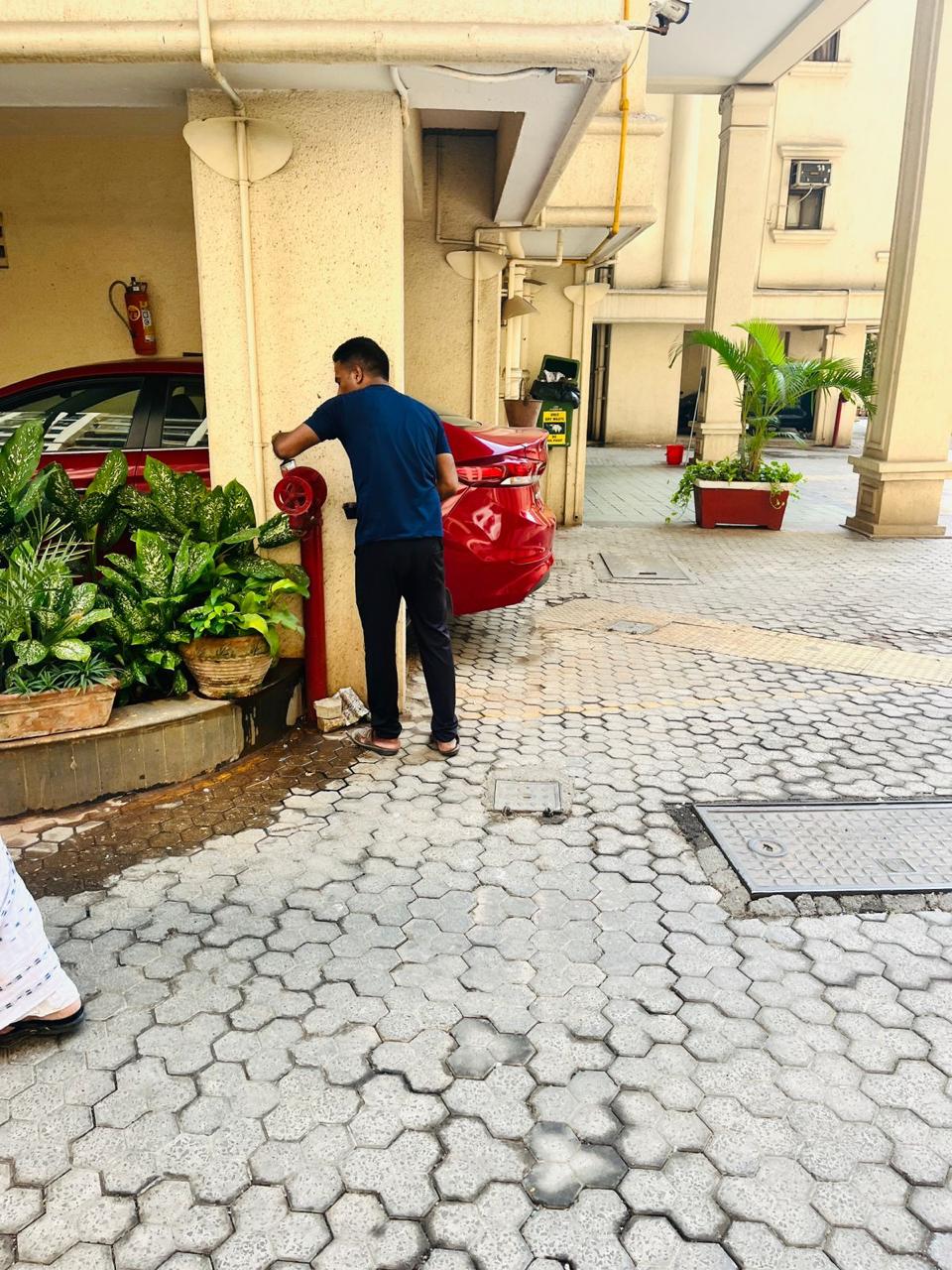
A Siamese (twin-headed) inlet at ground level lets the fire brigade pump additional water into the riser from their appliance, boosting pressure and supply beyond what the building's own pumps provide — important for sustained firefighting on upper floors.
Keeping it ready
A wet riser system is only as good as its last inspection. Weekly pump run-tests, periodic pressure checks, and clear access to every landing valve are the basics — see our fire hydrant maintenance checklist for the full list.
Need your hydrant system assessed or installed?
Samarth Fire designs, installs and maintains wet riser systems across Mumbai, with Form A / Form B documentation handled end-to-end.
This article is general information. It is not legal advice, an emergency-response instruction, a substitute for approved site drawings or a fire-safety certificate. Requirements depend on the building, its occupancy and the current rules of the competent authority — always confirm with the Directorate of Maharashtra Fire & Emergency Services or a licensed agency.