
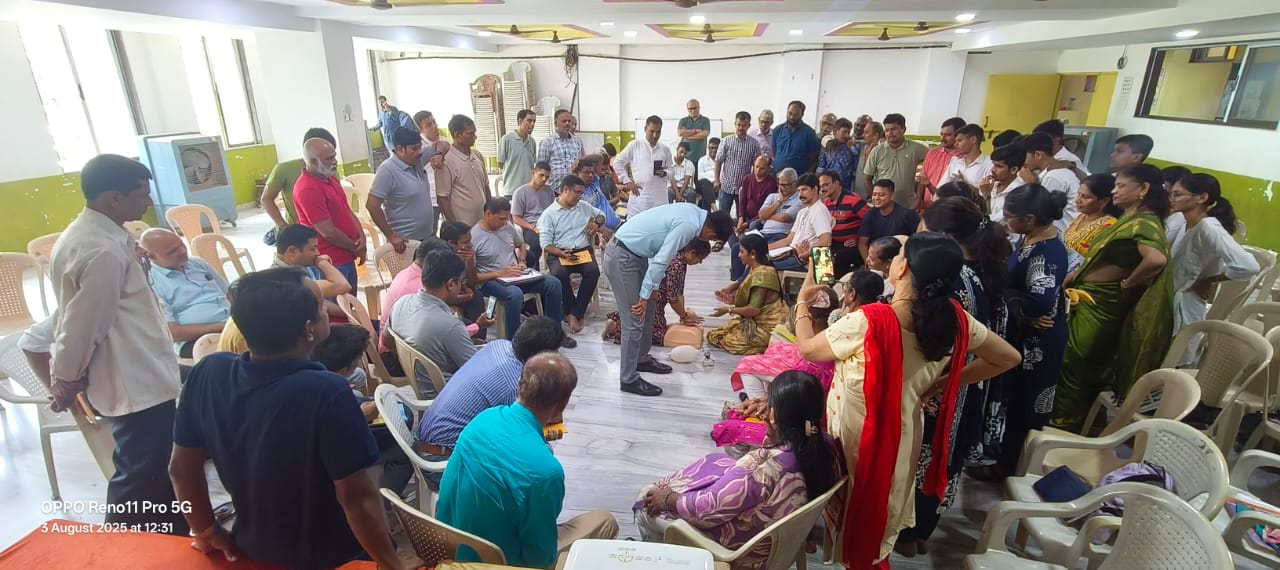
First aid and CPR awareness can help staff and residents respond calmly while professional medical help is on the way. It is not a substitute for emergency medical care, and people should follow the training they receive from qualified instructors and the local emergency response procedure.
Start with the people and the workplace
Identify who will attend, the type of workplace, the number of participants, language needs and any known hazards. A school, office, warehouse, housing society and industrial site may need different examples and practical activities.
Topics to discuss with the training provider
- How to recognise an emergency and call for professional help.
- How to make the area safe before approaching an injured person.
- How to respond when a person is unresponsive and not breathing normally, within the limits of the course and the learner’s training.
- CPR practice using suitable training equipment where included in the course.
- Basic first aid topics relevant to the site, such as bleeding, burns or choking, taught by a competent instructor.
- How first aid arrangements connect with the site’s emergency contact and incident-reporting process.
Make the session practical and accessible
Ask how much of the session is demonstration and supervised practice, what equipment is provided, how many people can practise at once, and whether the content can be adapted for the audience. Arrange clear space, suitable seating and reasonable access for participants.
Ask about the certificate before booking
Training certificates can differ by provider, course and instructor qualification. Before advertising a session as accredited or certified, ask who conducts it, what syllabus is followed, what assessment is included and which organisation issues the certificate. Do not assume every awareness session gives the same qualification.
Connect first aid with fire safety
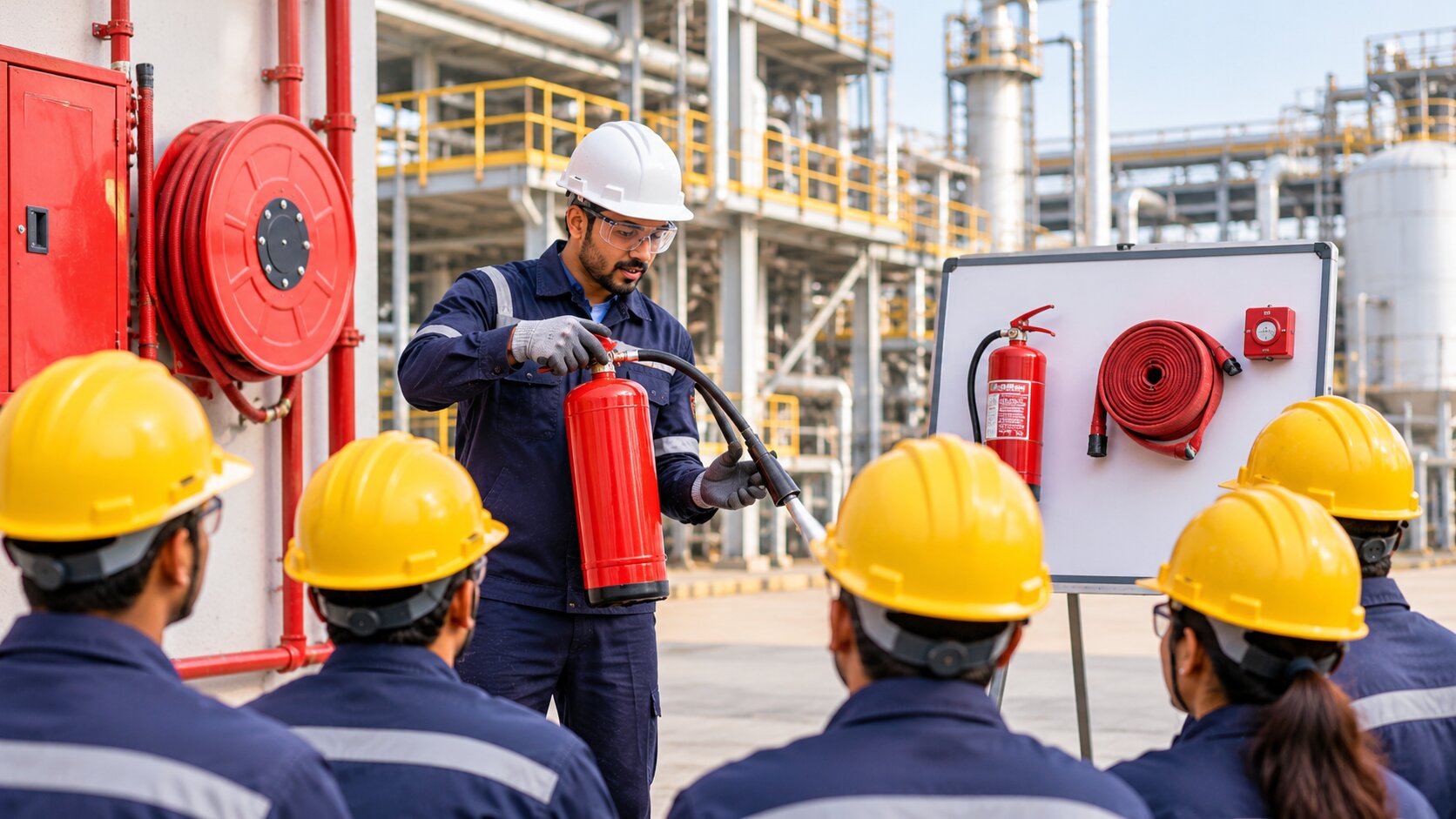
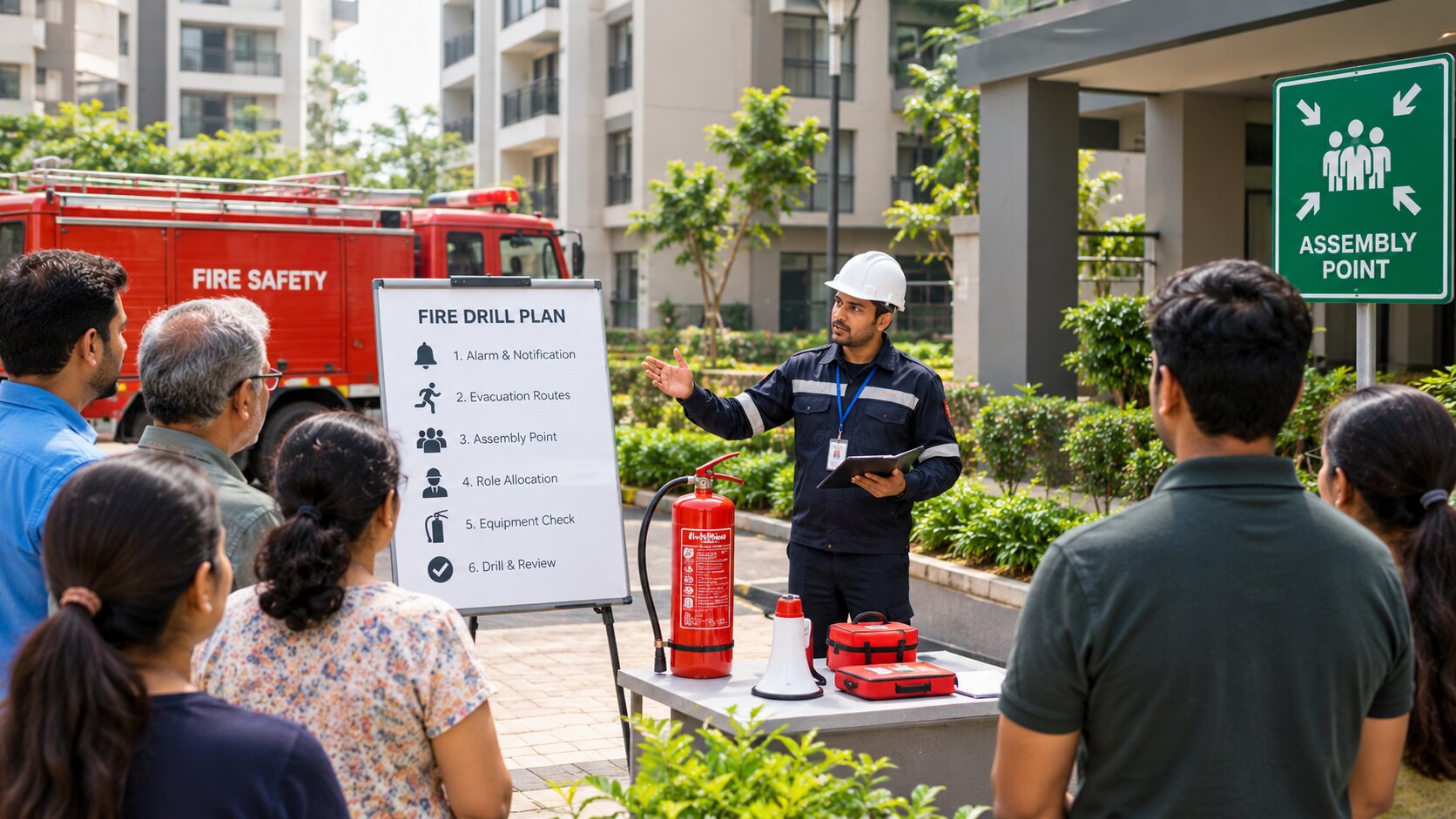
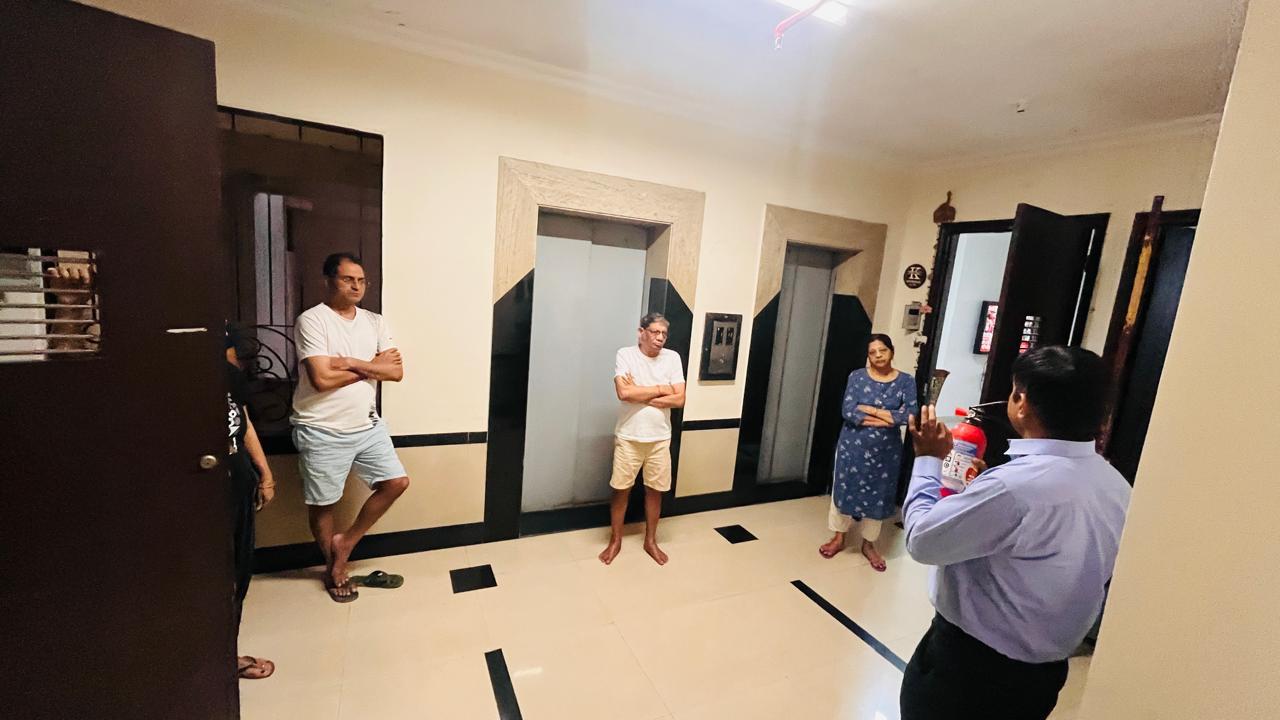
First aid sessions can be planned alongside fire safety awareness, extinguisher demonstrations and evacuation drills. Keep each activity controlled, supervised and suited to the building’s emergency plan. A practical demonstration does not replace regular system maintenance or a site-specific evacuation procedure.
Plan the follow-up
Keep attendance records, training topics, trainer details, completion documents and any follow-up actions. Review the programme when the workforce, site hazards or emergency arrangements change.
Arrange safety training for your team?
Samarth Fire lists fire safety training, demonstrations, first aid and CPR training among its services. Contact the team to discuss audience size and session requirements.
This article is general information. It is not legal advice, an emergency-response instruction, a substitute for approved site drawings or a fire-safety certificate. Requirements depend on the building, its occupancy and the current rules of the competent authority — always confirm with the Directorate of Maharashtra Fire & Emergency Services or a licensed agency.