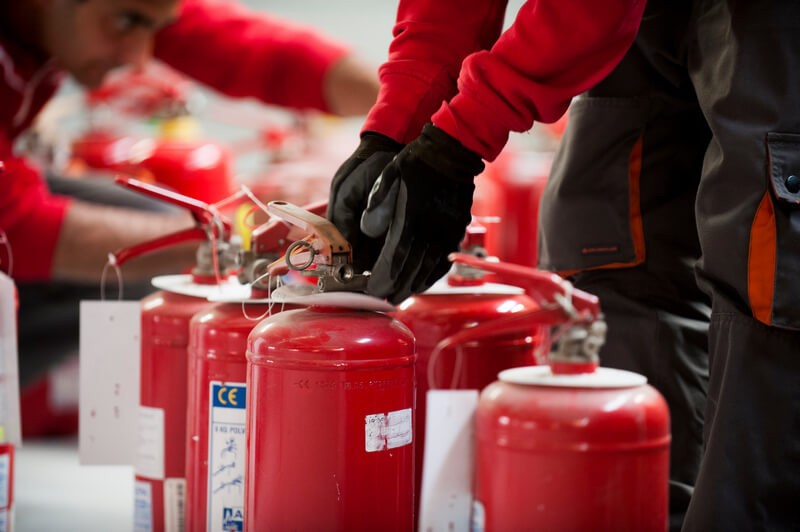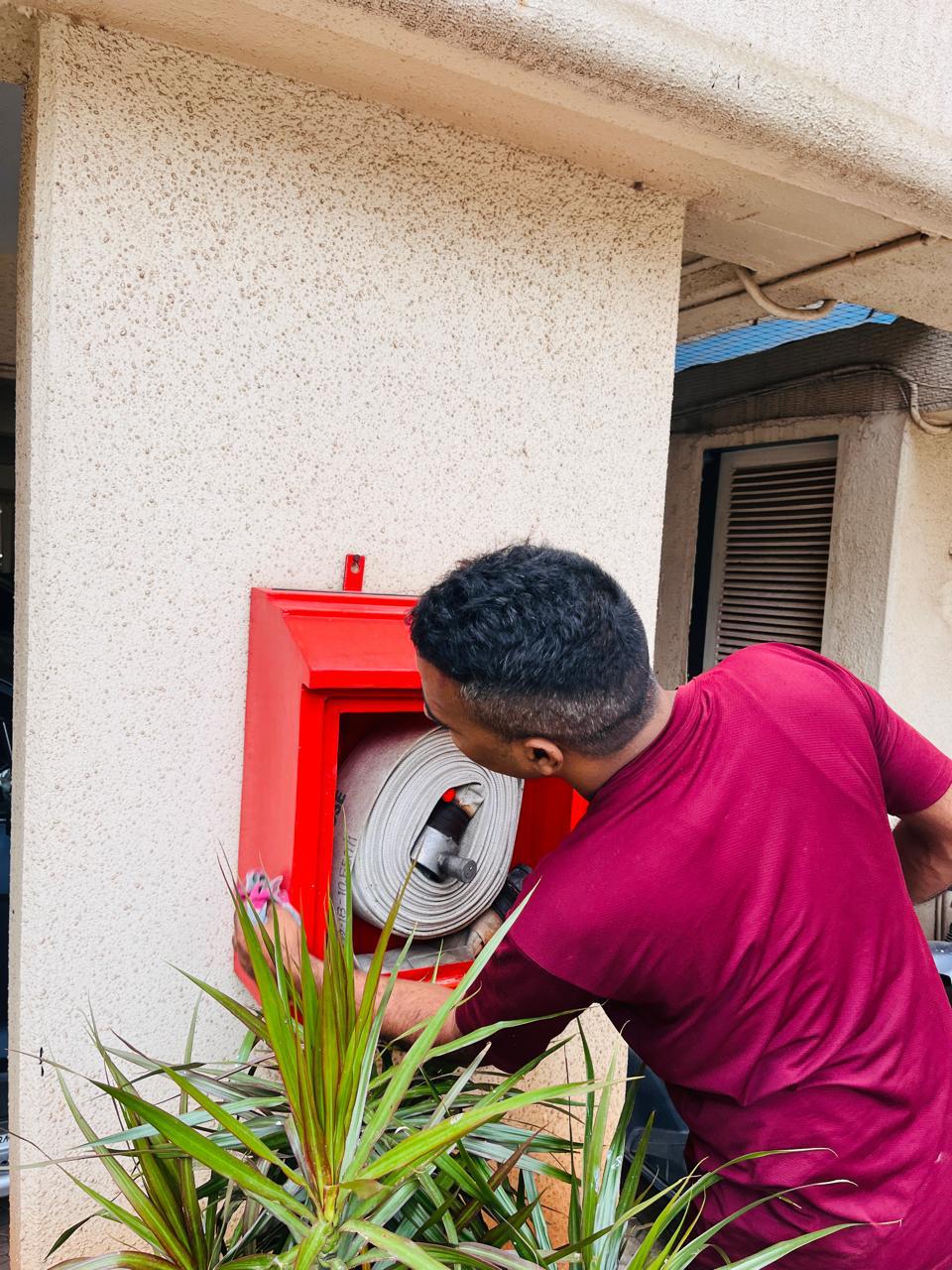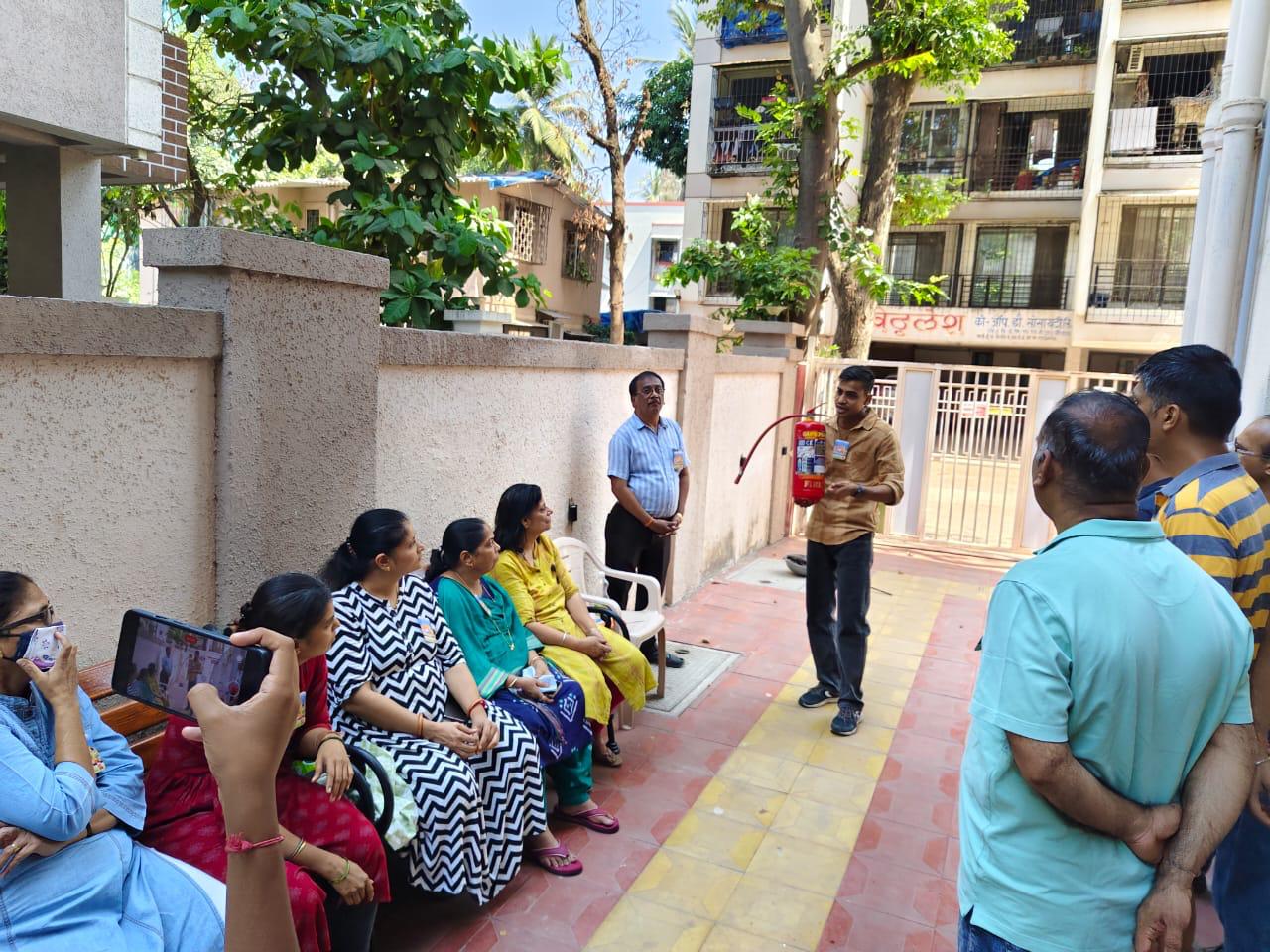

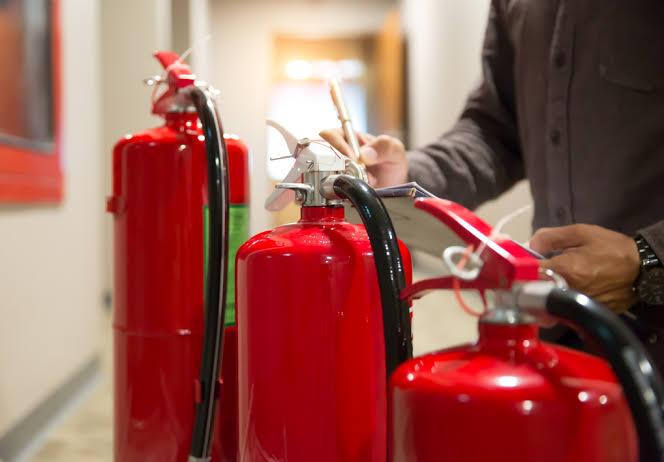
An extinguisher should not be treated as a red cylinder that can be forgotten until an emergency. Building teams need a repeatable way to check its location, condition, instructions and service history. The current Indian Standard is IS 2190:2024, the fifth revision of the code for selection, installation and maintenance of first-aid fire extinguishers.
How often should extinguishers be checked?
IS 2190:2024 says extinguishers should be checked when first placed in service and thereafter at approximately 90-day intervals. More frequent checks may be needed when the site conditions call for them. This is a periodic check; it is not the same as a full service, refill or hydrostatic pressure test.
The same standard says that, except for the cases listed in its Annex D, extinguishers should receive maintenance once a year and not less than six months apart, at the time of hydrostatic testing, and whenever an inspection indicates that maintenance is required. The correct process depends on the extinguisher category and design.
The practical inspection checklist
- Location: Is the extinguisher still in its designated position?
- Access: Is it visible and unobstructed, with its operating instructions facing outwards?
- Instructions: Can a user read the label and operating directions?
- Seal and pin: Are the seal and tamper indicators present and undamaged?
- Fullness: Does the extinguisher appear full, checked by the method suitable for that type?
- Condition: Is there any visible corrosion, dent, leakage, damage or blocked nozzle?
- Pressure indicator: Where a gauge or indicator is fitted, is it within the indicated operating range?
- Mounting: Is the bracket or cabinet secure and undamaged?
- Records: Are the inspection tag, equipment identification and HPT tag present and legible?
Record the extinguisher ID, floor or area, check date, condition, defect and action taken. When an extinguisher is discharged, damaged, leaking or outside the operating range, do not leave the location without the protection required by the building’s fire plan. Arrange replacement or appropriate maintenance through a competent service provider.
Inspection is not the same as HPT
Hydrostatic pressure testing checks whether a cylinder can safely withstand the required test pressure. Its timing and procedure depend on the extinguisher type and the applicable provisions of IS 2190:2024. Avoid using a single “every three years” or “every five years” rule for every cylinder. The service provider should identify the cylinder category, examine its history and follow the relevant standard and manufacturer instructions.
What should a building’s extinguisher register contain?
A useful register records the equipment number, location, extinguisher type and capacity, access, visible condition, seal and pin status, gauge reading where fitted, hose/nozzle condition, service-tag details, defect and closure date. Keep maintenance reports and HPT records with the register. This makes it easier to identify missed checks and prepare for a building-specific fire-safety review.
Use the right extinguisher and know when to leave
Different extinguishers are designed for different fuels. Check the cylinder label and the site fire plan; do not assume water, foam, CO₂, dry powder and wet chemical units are interchangeable. Raise the alarm first. Only a trained person should consider using a suitable extinguisher on a small, early-stage fire when the escape route is clear. If the fire grows or conditions are unsafe, evacuate and call emergency services.
Official reference
Read the BIS IS 2190:2024 standard. This article is a practical overview, not a replacement for the full standard, manufacturer instructions or a competent inspection.
Need extinguisher servicing or a site-wide check?
Samarth Fire supplies, installs and maintains fire extinguishers and can review the equipment placed across your property.
This article is general information. It is not legal advice, an emergency-response instruction, a substitute for approved site drawings or a fire-safety certificate. Requirements depend on the building, its occupancy and the current rules of the competent authority — always confirm with the Directorate of Maharashtra Fire & Emergency Services or a licensed agency.