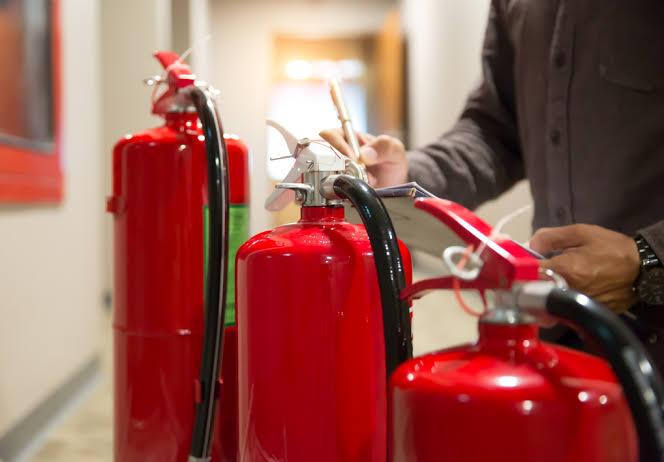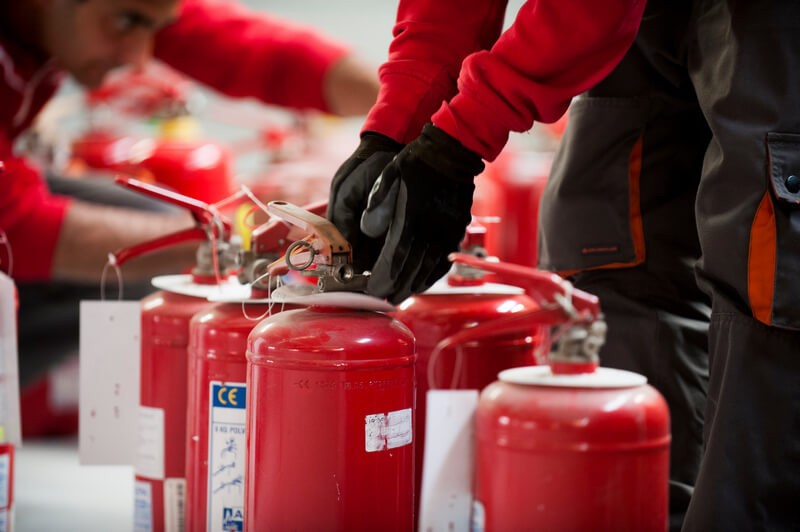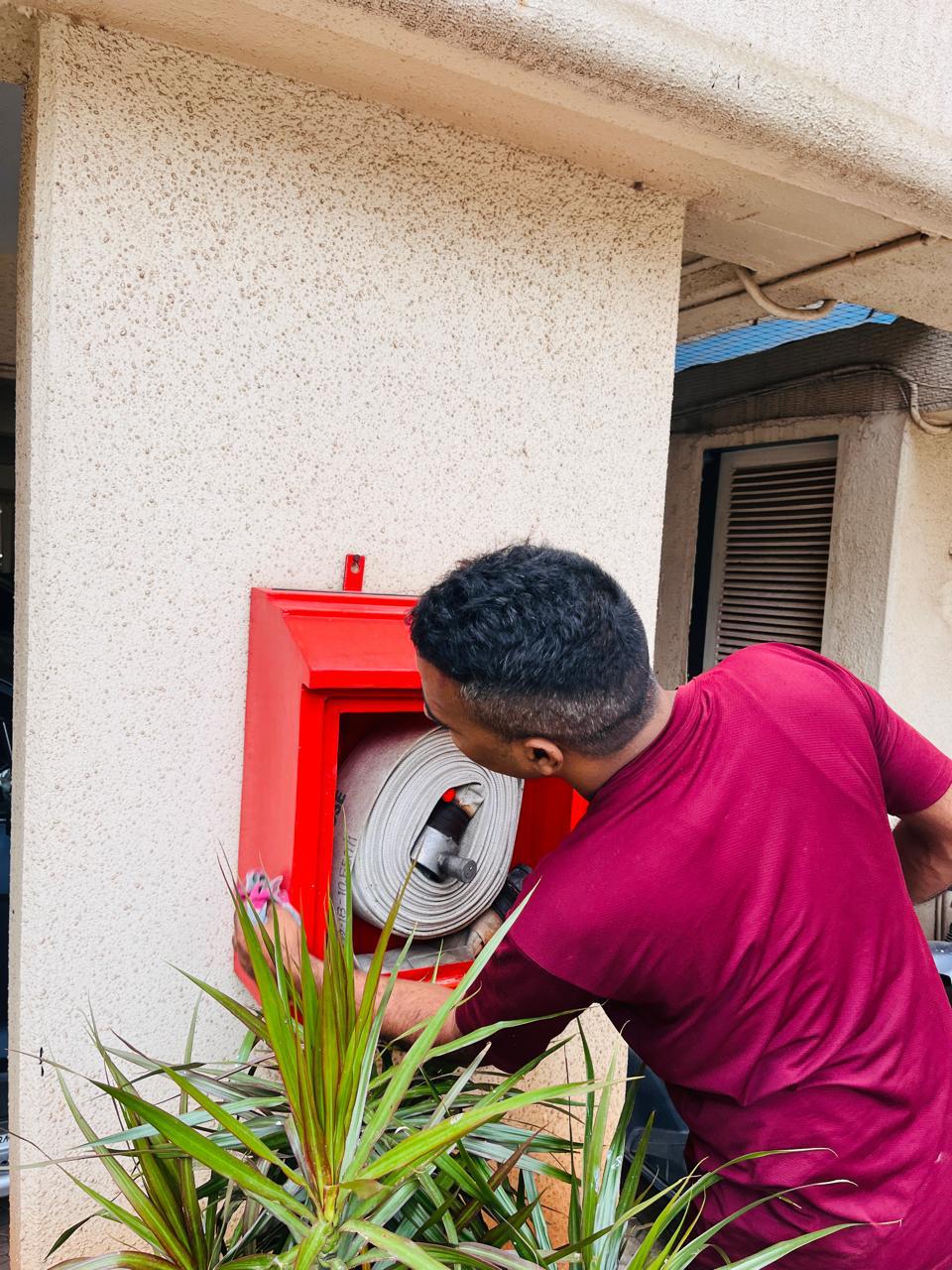

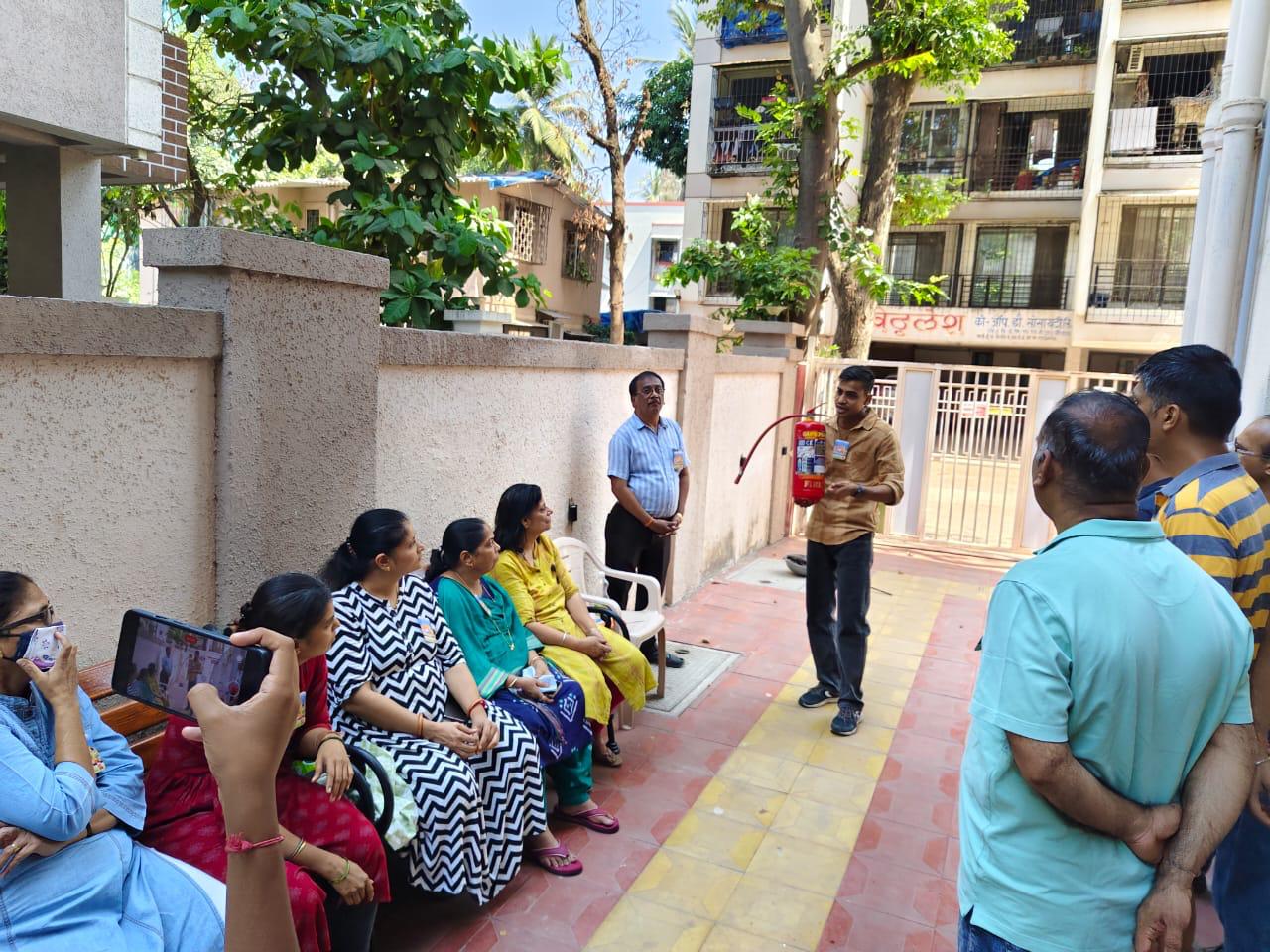
An extinguisher is useful only when the correct type is available, accessible, in serviceable condition and understood by the people expected to use it. A visual check is not the same as a full service or pressure test.
Check whether the extinguisher suits the risk
Review the hazard and the extinguisher type specified for the location. Different agents are designed for different classes of fire and environments. Do not assume an ABC powder, CO₂, foam or wet-chemical extinguisher is interchangeable. Follow the site fire plan, product label and competent fire-safety advice.
Access and location
- Confirm the extinguisher is in its designated location and easy to reach.
- Check that cabinets, signs and approach routes are not blocked.
- Confirm the operating instructions and identification labels can be read.
- Check that the extinguisher is mounted or placed as intended by the manufacturer and site plan.
Visible condition
- Look for corrosion, dents, cracks, leakage or other physical damage.
- Check the pin and tamper seal are present and appear undisturbed.
- Check the hose, horn, nozzle and handle for visible damage or obstruction.
- For units with a pressure gauge, check that the indicator appears in the marked serviceable range.
- Check the inspection / service tag and note any missed or overdue action.
A gauge reading or intact seal alone does not prove an extinguisher is fully serviceable.
Inspection, servicing and testing
Record the extinguisher ID, location, agent, visual condition, gauge indication where fitted, seal / pin status, tag information, defects and action taken. Follow the applicable edition of the relevant Indian Standard, manufacturer’s instructions and service-provider requirements for maintenance, refilling and hydrostatic testing. The intervals are not identical for every extinguisher type, design or service condition; avoid applying one generic interval to the entire inventory.
Any extinguisher discharged, damaged, leaking, undercharged or otherwise suspect should be removed from service and replaced or serviced under the site’s approved procedure so the area is not left without the planned protection.
Train people without creating extra risk
Show occupants where extinguishers are located and explain the site’s alarm and evacuation procedure. Only people who have been trained and are confident should consider using a suitable extinguisher on a small, incipient fire when they have a clear escape route. Raise the alarm first; evacuate when conditions are unsafe or the fire is growing. Never encourage occupants to fight a fire instead of leaving.
Simple inspection record fields
Use a consistent register with columns for extinguisher number, floor / location, type and capacity, accessibility, visible condition, pin / seal, gauge (where fitted), hose / nozzle, service tag, defect, temporary replacement and closure date. Keep the register alongside service certificates and replacement records.
Important note
Portable fire-extinguisher selection, installation, inspection and maintenance should follow the applicable standard, product instructions and competent advice. For Maharashtra regulatory references, consult the official Fire Acts, Rules and NBC page.
This guide is an awareness checklist, not a substitute for servicing, refilling or hydrostatic testing by a competent service provider.
Ready to Discuss Your Fire Safety Requirements?
Samarth Fire Protection System provides licensed system installation, maintenance (AMC), testing and compliance certification across Mumbai and the wider MMR.